About Us
Approximately 8.5% of the world's population lives in extreme poverty, surviving on less than $2.15 per day. This figure is even more staggering in Sierra Leone with roughly 60% of the population affected. The Multidimensional Poverty Index reveals that 75% of the population falls into one of three categories: below the income poverty line, in severe multidimensional poverty, or vulnerable to multidimensional poverty.
What is equally true and difficult to measure within this same population is its tremendous capacity for growth and contributions to the global landscape. People want to be educated and employed and live healthy lives. With roughly 60% of the population under 25 years, many are eager to work and have a hunger not just to survive, but to thrive.
At Serving Sierra Leone, operating under CITA International Inc., a registered 501(c)(3) organization, we are committed to transforming this narrative. We aspire to be part of the solution. Our mission is to unlock opportunities, empower local communities, and champion sustainable development. By making a meaningful impact in the lives of individuals, we are committed to restoring the dignity and elevating the well-being of many.
Join us in investing for maximum impact. It only takes a small effort to spark significant and sustainable change.
Programs

Healthcare
Saving lives by providing respectable, quality healthcare for all patients at the NarSarah Clinic and through mobile outreach to surrounding villages.
We emphasize the care of women and children, but provide care for all ages.
Other Services
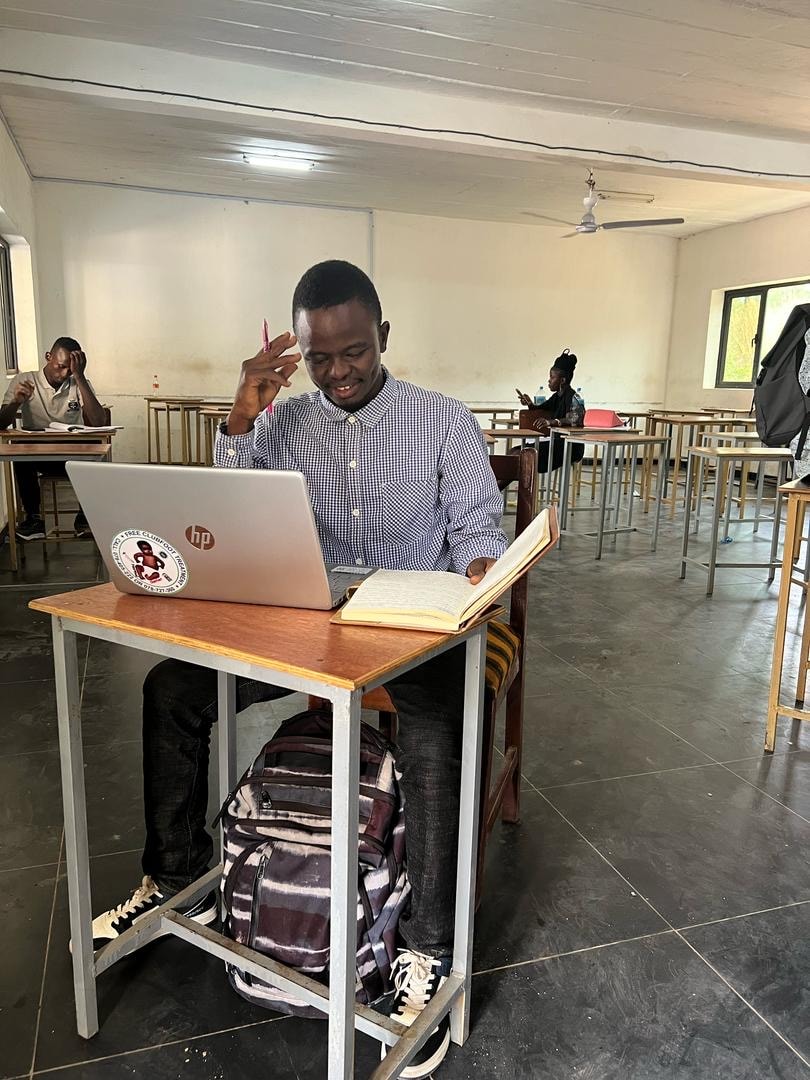
Investing in the future by providing educational scholarships and financial assistance to individuals, empowering them to lead the transformation in their communities, including pursuing degrees in healthcare.

Water
Providing communities with access to water and education on the prevention of waterborne diseases like cholera and typhoid.

Infant Nutrition
The vision is to improve food security by growing, producing, and distributing nutritious baby food to reduce malnourishment and reliance on expensive imports.